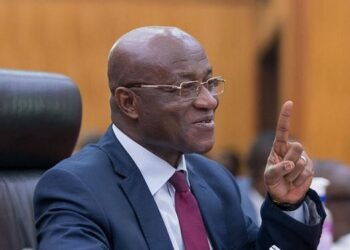

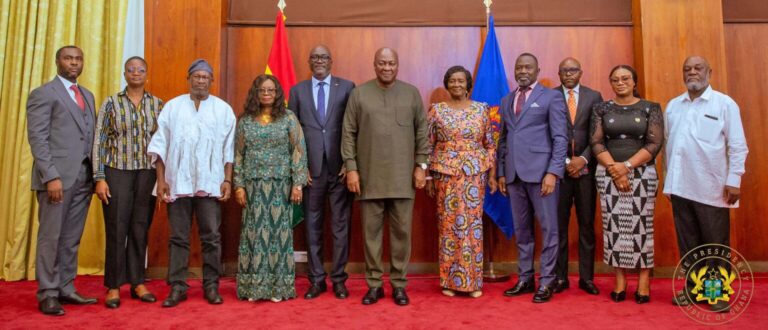
Chairman of the Committee, Professor Henry Kwasi Prempeh, presented the final report to President John Dramani Mahama on Monday, December 22, outlining recommendations aimed at strengthening governance and improving the effectiveness of the Constitution.
If adopted, the proposals would reshape the distribution of power between the Executive, Parliament and independent institutions, while expanding citizen participation in constitutional governance.
Key recommendations outlined in the report include:
• Extension of electoral terms
A proposal has been tabled to increase the tenure of the President and Members of Parliament from four years to five, a move the committee argues would give governments more time to implement policies while reducing the frequency and cost of elections.
• Separation of Parliament from the Executive
The committee also recommends a clear separation between Parliament and the Executive, proposing that Members of Parliament should no longer be appointed as ministers. The change, according to the report, is intended to strengthen legislative oversight and reduce conflicts of interest.
• Cap on the size of government
In a bid to curb executive excess, the committee has proposed placing a firm ceiling on the size of government, limiting the number of ministers of state — including deputies — to no more than 57.
• Reform of state land administration
Another major recommendation seeks to restructure the management of state lands. The committee proposes that public lands be held in trust for the people of Ghana, with administration vested in the Lands Commission to promote transparency and accountability.
• Strengthening independent constitutional bodies
The report further calls for reforms to the appointment processes of key constitutional bodies, including the Electoral Commission, advocating merit-based selections to insulate such institutions from political influence.
• Abolition of the death penalty
On criminal justice, the committee has recommended the complete removal of the death penalty from the Constitution, aligning Ghana’s legal framework with evolving international human rights standards.
• Election of local government heads
At the local governance level, the committee proposes the direct election of Metropolitan, Municipal and District Chief Executives, a reform aimed at enhancing accountability and strengthening grassroots democracy.
• Citizen-initiated constitutional amendments
The report also seeks to expand citizens’ constitutional rights by allowing individuals to initiate amendments to the Constitution, provided they secure sufficient public support.
• Creation of an independent anti-corruption body
In the fight against corruption, the committee has proposed the establishment of an independent anti-corruption commission with exclusive prosecutorial authority, separate from existing state institutions.
• Parliamentary eligibility for dual citizens
Additionally, the committee recommends lifting restrictions that prevent Ghanaians holding dual citizenship from contesting parliamentary elections.
President Mahama is expected to study the report and initiate consultations on the next steps, including possible constitutional amendments and legislative action.
Meanwhile, President John Dramani Mahama has announced that the government will begin implementing the recommendations of the Constitution Review Committee early next year, following the submission of its final report.
Receiving the report at the Jubilee House, President Mahama said the constitutional review process had now ended and the focus would shift to implementation, which he said would be carried out in a bipartisan manner.
“Enjoy your Christmas, and as soon as we resume early next year, we’re moving from the constitutional review process into the implementation process,” the President said. “Early next year, we will announce an implementation committee, and of course, we’re going to call some of you to come and serve,” he said.