

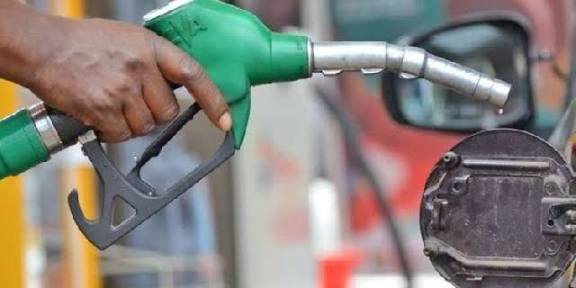
The Executive Secretary of the Chamber of Petroleum Consumers (COPEC), Duncan Amoah, has reiterated the need for transport operators to reflect recent reductions in pump prices in their fares, despite concerns about the cost of other inputs such as spare parts and lubricants.
Responding to arguments that falling fuel prices do not automatically translate into lower operating costs on the Channel One Newsroom on Tuesday, January 6, Mr Amoah acknowledged the broader cost pressures faced by drivers but maintained that fuel remains a central component in fare calculations and cannot be overlooked.
He explained that fuel prices form a critical part of the transport fare structure and therefore any significant reduction at the pumps should logically influence fares. To support his position, Mr Amoah cited a year-on-year comparison, noting that in January 2025 fuel prices were close to GH¢15 per litre, while current average prices are hovering around GH¢11.50 per litre.
According to him, the drop represents a substantial reduction that should not be ignored in fare-setting discussions. He stressed that while other costs may not have declined at the same pace, fuel remains one of the most decisive variables in transport pricing and offers room for relief to passengers.
Mr Amoah disclosed that COPEC intends to engage transport unions directly to address the matter. He said discussions with executives of driver unions are expected to begin early next week, with the aim of pressing home the need for fare adjustments in line with current fuel prices.
“That has been the conversation and the argument of the transport operators. what we however know and are minded by is that in the computation of your transport fare metrics your fuel prices play one critical role and so it cannot be ignored. I say this on the back on the fact that a year on today January 2025 the pumps were delivering fuels at around almost GHS15 a litre. As I speak with you have averages of about GHS11.5.”
“…Early next week, we will initiate a conversation with the executives of the driver unions to press home that demand.”
The comments come against the backdrop of COPEC’s earlier call on commercial transport operators, including ride-hailing services such as Bolt, Uber and Yango, to review their fares following reductions in ex-pump fuel prices by several oil marketing companies.
COPEC had attributed the recent price adjustments to declining international refined petroleum prices, relative stability of the cedi, and increased competition within Ghana’s deregulated downstream petroleum market. The Chamber’s year-on-year assessment indicates that petrol and diesel prices have fallen by between GH¢3 and GH¢4 per litre compared with January 2025, translating into notable savings for consumers.
The Chamber has argued that consumers should benefit when market conditions improve, just as they bear the burden during periods of price hikes. It has also commended oil marketing companies that have already reduced pump prices and urged others yet to do so to act promptly.
Transport fares were last reduced by 15 percent in May last year after negotiations between transport operators and the Ministry of Transport, following favourable macroeconomic developments, including a stronger cedi and lower fuel prices. COPEC believes current conditions once again justify a review of fares to ease pressure on commuters.