

Ghanaian car buyers are split between choosing brand-new Chinese models and sticking with traditional used imports, even as dealers slash prices by up to 15 percent amid improved exchange rate stability.
The reductions signal early signs of stabilisation in Ghana’s automotive sector, where heightened competition — particularly from new Chinese brands — is challenging the long-standing dominance of second-hand vehicles.
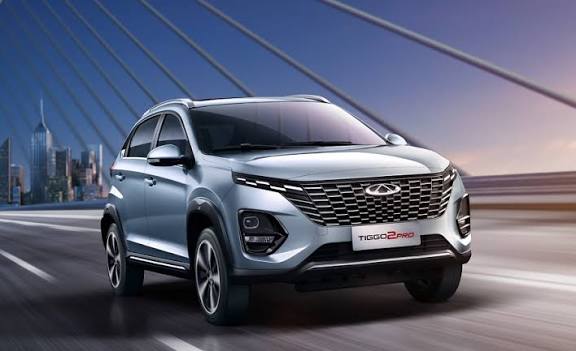
In Accra, a brand-new Chery Tiggo 2 is selling for about GH¢215,000, undercutting the roughly GH¢250,000 price tag of a home-used Honda Civic EX Hatchback.
Speaking to Citi Business News, some dealers attributed the price cuts to increased competition and softer demand.
“There have been more garages all over the place. That is why they are not buying the cars. So if you yourself don’t reduce your prices, it’s up to you; if not, so they won’t buy it,” automobile dealer Kwabena Tawiah said.
However, importers argue that structural costs continue to constrain further reductions.
“I have a challenge. All that the government is doing, the customs and the shipping lines are not helping the government. If the government can go further and work on it, it will help us. That the reduction that they are seeing, it will reflect on the customers,” importer and dealer Nana Yaw Nisah opined.
Chinese dealerships are marketing their vehicles as competitively priced options with added warranty benefits.
The CEO of Zonda Tec Ghana Limited, Yang Yang, in an earlier interview with Citi Business News stressed that: “Our Zonda vehicles, like our Cherry, our GWM, the price is even cheaper, much cheaper than home used vehicles, and the quality is much better. And we have five year warranty for our customers, and you are enjoying comfort.”
Some buyers are already considering the shift.
“I think I will go for the Chinese electric cars, particularly maybe the hybrid. That’s a part engine and part electric. The only challenge is the charging point, but these days they are all over and they are coming. In fact, it’s even much better,” businessman Abraham Obeng Amoakohene, who plans to start a taxi business, suggested.
“If I had the money to buy a car, I would go for a used vehicle because I know it works well and I know where to get it serviced,” said Albert Agyei, a company driver.
The evolving pricing dynamics point to a competitive reset in Ghana’s auto market, as exchange rate stability and new entrants reshape consumer preferences.