
Competition in Ghana’s downstream petroleum sector is intensifying just a day into the second March pricing window, which began on March 16, as Oil Marketing Companies (OMCs) adjust pump prices amid regulatory changes and global market pressures.
State-owned GOIL PLC initially held prices at the minimum levels set for the window, selling petrol at GH¢11.57 and diesel at GH¢14.35 over the weekend and at the start of the pricing period.
Fish mmɔfra mmerɛ quiz
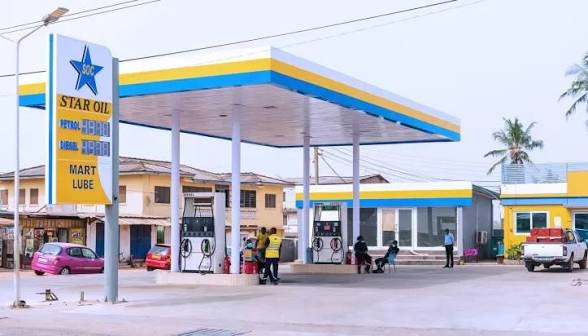
This positioned GOIL below market leader Star Oil, which had implemented upward price adjustments in line with rising international oil prices driven by geopolitical tensions in the Middle East.
At the start of the window, Star Oil sold petrol at GH¢12.49 per litre, diesel at GH¢15.99, and RON 95 at GH¢13.59.
However, pricing dynamics shifted quickly. By March 17, GOIL revised its prices upward, with petrol selling at GH¢12.40, diesel at GH¢15.69, and Super XP 95 at GH¢14.35.
Fish mmɔfra mmerɛ quiz
In what appears to be a competitive response, Star Oil also adjusted its prices downward. At its outlets, petrol is now selling at GH¢12.29 per litre, diesel at GH¢14.99, while RON 95 remains unchanged at GH¢13.59, bringing its prices below GOIL on key products.
The back-and-forth adjustments signal the early stages of price competition among OMCs under the new regulatory regime.
More OMCs are expected to review their pricing in the coming days as they seek to maintain market share.
The current pricing window coincides with the implementation of revised petroleum pricing guidelines by the National Petroleum Authority (NPA), which effectively ended fuel price discounting practices previously deployed by some OMCs and LPG Marketing Companies (LPGMCs) at selected outlets.
Under the new framework, all OMCs and LPGMCs are required to maintain uniform pricing across their retail outlets or risk sanctions, a move expected to reshape competitive strategies in the downstream sector.