

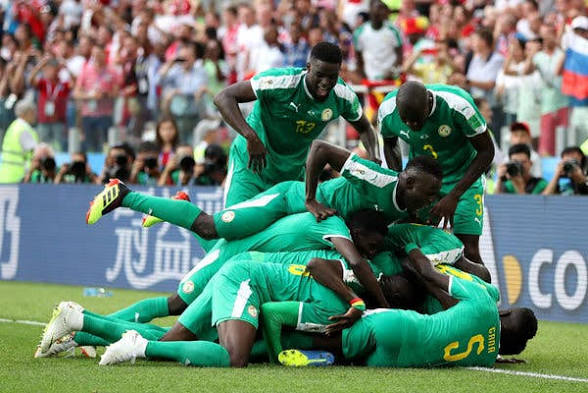
Two months ago, Senegal lifted the AFCON trophy. This morning, they woke up stripped of it. CAF, African football’s governing body, has handed the title to Morocco via a 3-0 forfeit. And the football world is in uproar.
But here is the question you should be asking: did CAF actually follow the rules? Because when you look closely, the answer may be no.
Let me break it down simply.
What actually happened in the final?
Late in normal time, Morocco were awarded a penalty after a VAR review. Some of Senegal’s players, led by their head coach, were furious and walked off the pitch. The match was suspended for around 14 minutes. But here is the key part: Sadio Mane intervened, called his teammates back, and the game resumed.
Morocco missed the penalty. The match went to extra time. And Senegal won 1-0. The full ninety-plus minutes were played. The referee restarted the game. The match finished.
So why the forfeit?
CAF pointed to Articles 82 and 84 of the AFCON regulations, rules that say if a team leaves the pitch before the end of a match without the referee’s permission, they forfeit the game and their opponents get a 3-0 win. CAF says that is exactly what Senegal did.
But here is where it gets legally shaky, on multiple grounds.
Under international football’s Laws of the Game, the IFAB rules that govern every match on earth, the referee has full authority over what happens on the field. He decides when play stops. He decides when it resumes. And crucially, his factual decisions are final and binding (see IFAB Laws of the Game Law 5.2 (“Decisions of the referee”).
In this case, the referee chose to restart the match. He did not declare a forfeit on the spot. He let the game continue. That restart, in my respectful opinion, was a legal act. It validated everything that followed: the penalty miss, extra time, and Senegal’s winner.
By reversing that decision two months later, CAF’s Appeal Board was essentially overruling the referee’s call after the fact. That is constitutionally very problematic in football law.
Morocco made their choice, and that matters legally
Here is a point that has not received enough attention. When the referee restarted the match, Morocco had a choice. They could have refused to continue and lodged a formal protest on the spot. Instead, they walked back onto the pitch. Brahim Diaz stepped up and took that penalty. Morocco played through extra time, trying to win the match within the resumed game.
In law, there is a principle called volenti non fit injuria, which means roughly: to one who consents, no injury is done. If you voluntarily accept a situation, you cannot later claim it harmed you. Morocco consented to the resumed match the moment they participated in it. They were not passive bystanders. They were active, willing participants, all the way to the final whistle.