

The Minority in Parliament is challenging Speaker Alban Bagbin’s decision to block its proposed parliamentary investigation into drug trafficking through Ghana.
The caucus has filed a motion under Standing Order 127, asking the Speaker to review his September 29, 2026 ruling that declared the proposed inquiry inadmissible.
Bagbin had explained that allowing the inquiry to proceed could prejudice ongoing criminal proceedings involving about 21 people in four separate narcotics-related cases.
But Minority Leader Alexander Afenyo-Markin says the existence of criminal cases should not prevent Parliament from examining the performance of state institutions responsible for tackling drug trafficking.
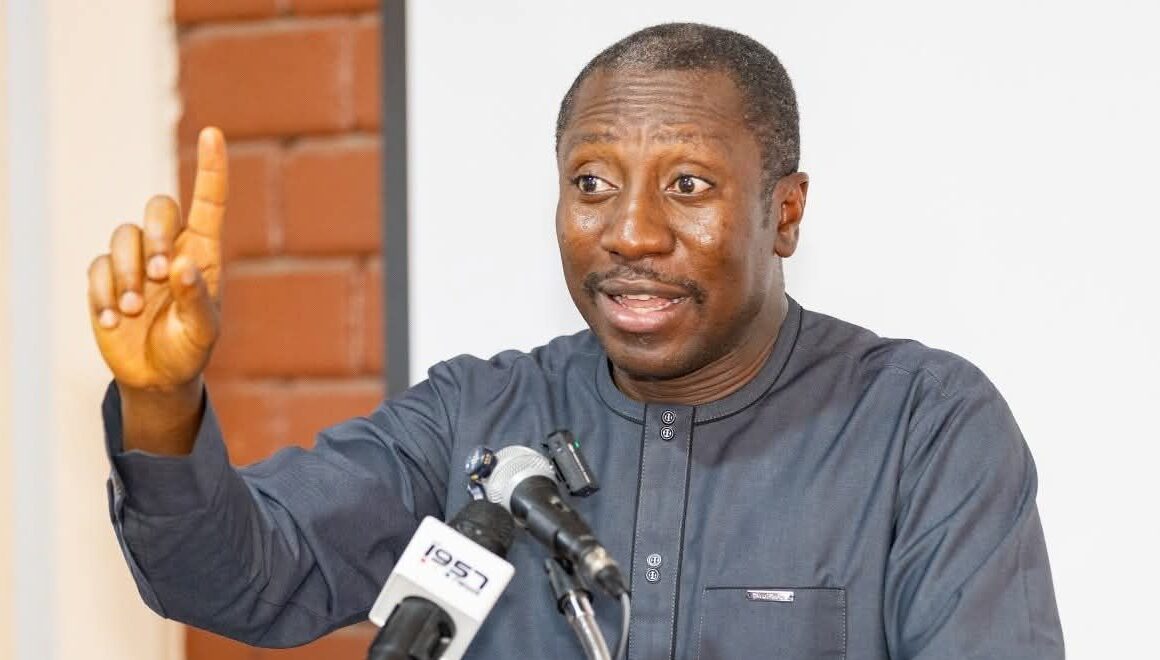
Addressing journalists ahead of Parliament’s resumption on Tuesday, November 3, he said the motion was not an attempt to challenge the Speaker’s authority but a move to protect Parliament’s constitutional oversight role.
He said the proposed bipartisan inquiry would examine institutional and regulatory weaknesses that could have allowed illicit drugs to move through Ghana.
Afenyo-Markin cited the seizure of approximately 3.9 tonnes of cocaine at France’s Port of Dunkirk on September 7, 2026. The drugs, valued at about €225 million, were reportedly concealed in a shipment of plastic waste from Ghana.
He also mentioned reported seizures in Amsterdam, Antwerp and Sydney, alongside suspected cocaine interceptions in Ghana, including at the Tema Harbour enclave and Pedu Junction.
According to him, the incidents raise questions about security at the country’s ports, cargo inspection systems, customs controls and coordination among intelligence agencies.
He argued that prosecuting individuals suspected of involvement in drug trafficking would not address possible failures within the institutions mandated to prevent such activities.
“The prosecution of individuals, however necessary, cannot absolve the government of its responsibility to account for the institutional and regulatory weakness that may have facilitated these incidents,” he said.
The minority leader stressed that the proposed inquiry would not interfere with the work of the courts or seek to determine the guilt of persons facing trial.
He said the courts were responsible for determining criminal liability, while Parliament had a separate duty to assess public institutions, examine existing laws, and identify failures requiring corrective action.
The Minority has therefore maintained that the ongoing prosecutions should not prevent parliamentary scrutiny of the systems and agencies responsible for controlling drug trafficking.