
Ghanaian traders caught up in the terrorist attack in Titao, northern Burkina Faso, were simply in the wrong place at the wrong time, according to security analyst Col. Festus Aboagye (Rtd).
Addressing concerns about whether Ghana should restrict citizens from travelling to volatile areas, Col. Aboagye stated that the attack was not specifically targeted at Ghanaians.
Speaking to Umaru Sanda Amadu on Citi Eyewitness News on Monday, February 16, he said, “If I base my comments on what the minister said and the minister has more intelligence and information than the rest of us that the jihadists said publicly that they were not attacking Ghanaians.
“Their method of operation is to distablise Burkina Faso…so the best description is what I said earlier being at the wrong place and the wrong time and I think there isn’t sufficient information for us to conclude that these Jihadists targeted Ghana. The Jihadists are not illiterates.”
Meanwhile, the Minister for the Interior, Mohammed Muntaka Mubarak in an interview on the same show appealed to the public to refrain from sharing images and videos of the victims’ burnt bodies.
“Families of the victims are uncertain. Sharing footage is insensitive and adds to their trauma. I plead with everyone to stop circulating these images and put themselves in the shoes of the grieving families,” he said.
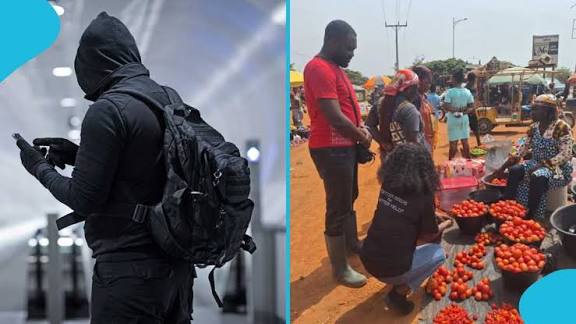
The attack targeted a truck transporting 18 Ghanaian tomato traders—10 men and eight women. Extremists forced the women off the trucks before opening fire and setting the vehicles ablaze. Several individuals, including the drivers, died instantly, and the bodies were burnt beyond recognition. DNA samples were taken prior to burial to ensure proper identification.
Some traders survived the attack, with three men and one woman sustaining serious burns and currently receiving hospital treatment. The remaining seven women are reported to be in stable condition. Arrangements are underway to transfer survivors to Ouagadougou, where the Ghanaian mission will provide support.
The tragedy has left families mourning and underscored the risks Ghanaians face when travelling through conflict-prone areas, even when they are not the specific targets.