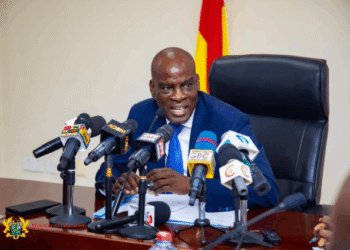


Joe Jackson, CEO of Dalex Finance, is pushing back against proposals to cut fuel taxes or introduce subsidies, arguing that such moves could harm Ghana’s economy rather than help it.
During an appearance on PM Express on Joy News, Jackson explained that rising energy prices could set off a chain reaction, with the most serious impact being food inflation. He noted that even locally grown food includes up to 40% logistics costs, so any increase in fuel and transport expenses would ultimately drive up food prices. Imported food would also become more expensive due to higher container, insurance, and shipping costs.
Jackson warned that because Ghana has recently enjoyed low inflation, any new price shock would feel especially severe—unlike during periods of high inflation, when shocks are more expected and absorbed.
He urged against panic-driven policies, cautioning that overreacting to a potential crisis—before it fully materializes—could backfire. “Go at it with a scalpel, not a sledgehammer,” he said, adding that poorly designed responses could cause more pain than the original shock.
Instead of broad price controls, Jackson recommended targeted support for vulnerable groups, such as the urban poor, low-income transport workers, and food-insecure districts. “Protect households, not prices,” he emphasized, calling blanket subsidies expensive, distorting, and regressive—meaning the poor would benefit the least while owners of large-engine cars gained the most.
He also called for urgent action on food logistics, proposing a national task force involving trade, transport, local government, and security to focus on moving staple foods. He warned against export bans, price controls, or other anti-market theatrics.
Rejecting fuel tax suspensions outright, Jackson stressed the importance of maintaining fiscal discipline and macroeconomic stability. “The cost will be higher than the shock itself,” he concluded, if the government loses its focus on responsible spending.