
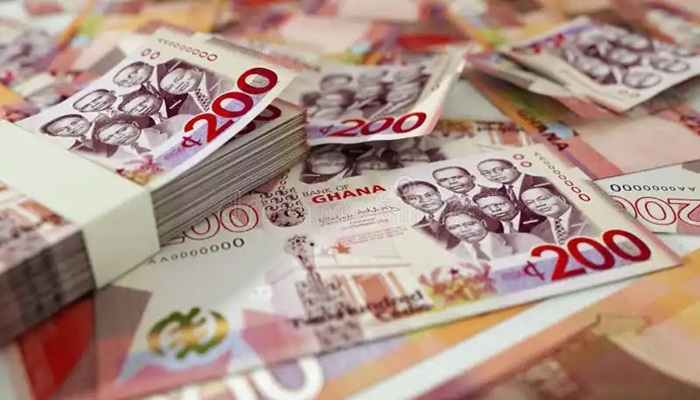
Professor Patrick Asuming, an economics lecturer at the University of Ghana, has linked the cedi’s recent decline in value, at least in part, to rising global conflicts and geopolitical instability.
He pointed to ongoing international tensions—such as those involving the United States and Iran, along with the protracted Russia-Ukraine war—as factors that are straining economies worldwide and indirectly affecting the Ghanaian currency.
Speaking in response to recent analyses published by Reuters, Prof. Asuming explained that global uncertainty typically pushes investors toward safer assets and stronger currencies, which in turn creates added difficulties for emerging market currencies like the cedi.
During an appearance on Joy FM’s Super Morning Show on Monday, May 25, he observed that since President Trump returned to office, new conflicts have emerged alongside the continuing Russia-Ukraine war. He also noted recent tensions between Israel and the United States on one side and Iran on the other.
According to Prof. Asuming, these conflicts generate instability in the global economy, particularly by disrupting oil supply and international trade. He stressed that while these developments create disturbances worldwide, Ghana is not immune to their effects.
Despite the recent depreciation, Prof. Asuming urged calm, noting that the cedi’s decline has so far remained moderate. He pointed out that although the currency has lost value compared to the appreciation seen the previous year, there has not been extreme volatility. He added that the Bank of Ghana has largely managed to moderate fluctuations, keeping the depreciation within a manageable range, and therefore sees no reason for alarm.
His remarks follow reports indicating that the cedi has been steadily losing ground since the start of 2026. Reuters, citing data from the London Stock Exchange Group (LSEG), recently reported that the cedi is currently the worst-performing currency in West Africa on a year-to-date basis, driven by persistent demand for foreign exchange and other market pressures.
The news agency attributed the pressure on the local currency to strong demand for US dollars—especially from the energy sector—combined with rising oil prices and unresolved foreign exchange backlogs.
Disclaimer: The content provided on Fish FM Online is for informational and entertainment purposes only. While we strive for accuracy, we do not guarantee the completeness, reliability, or timeliness of the information presented. Fish FM Online and its affiliates are not responsible for any errors or omissions, nor for any decisions made based on the content available on our platform.