

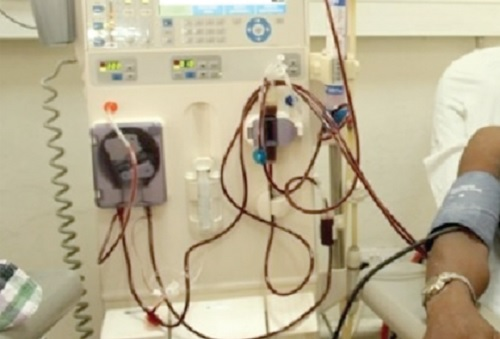
A study by Professor Vincent Boima has found that genetics may play a major role in the growing prevalence of kidney disease in Ghana and other parts of West Africa.
The research indicates that certain genetic traits common among many West Africans could increase vulnerability to chronic kidney disease (CKD), especially when combined with other health and environmental factors.
Professor Boima presented these findings during his inaugural lecture at the University of Ghana on Thursday. The lecture was titled, “From Genes to Mind: Holistic Pathways to Precision Kidney Care for Africa.”
He explained that a gene known as APOL1 is frequently found in people of West African descent and has been associated with a higher risk of kidney-related illnesses.
“Individuals with this gene are more likely to develop kidney disease, particularly when additional factors such as infections, high blood pressure, or poor living conditions are present,” he stated.
The professor noted that kidney disease is becoming a serious public health issue in Ghana, partly because many patients are only diagnosed when the condition has already reached advanced stages, making treatment difficult and expensive.
He pointed out that the disease disproportionately affects younger and economically active individuals, warning that the increasing burden could lead to severe economic and social consequences for families and the nation.
Professor Boima emphasized the need for more African-led medical research to better understand how genetics influences kidney disease in the region.
“This would enable doctors to provide more accurate and effective treatment for patients,” he said.
He also advocated for expanded screening and early detection programmes to identify kidney disease before it worsens.
“Genetic information should be used carefully and fairly to improve care, not to create fear or discrimination,” he added.
The professor called on the government and health authorities to strengthen healthcare systems, enhance access to treatment, and step up public education on kidney disease prevention and management.
He encouraged the public to adopt healthier lifestyles, including regular medical check-ups, blood pressure management, and balanced diets, as part of efforts to reduce the risk of kidney complications.
The inaugural lecture, held at the University of Ghana’s Great Hall, was part of ongoing academic and medical discussions aimed at addressing the rising burden of kidney disease in Ghana and across Africa.
Disclaimer: The content provided on Fish FM Online is for informational and entertainment purposes only. While we strive for accuracy, we do not guarantee the completeness, reliability, or timeliness of the information presented. Fish FM Online and its affiliates are not responsible for any errors or omissions, nor for any decisions made based on the content available on our platform.