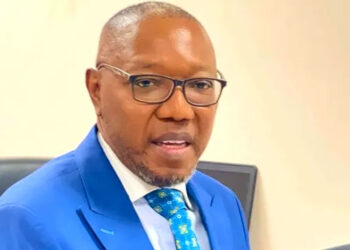

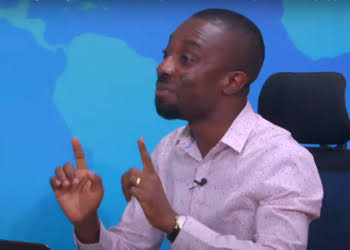
Dennis Miracles Aboagye, an aide to the New Patriotic Party (NPP) flagbearer, Dr Mahamudu Bawumia, has criticised the government’s economic management, arguing that improvements in key macroeconomic indicators have not translated into lower living costs for ordinary Ghanaians.
According to him, the reduction in inflation and the relative stability of the Cedi have failed to ease the financial pressures facing households, as prices of essential services, fuel, and transportation continue to rise.
Speaking on Newsmen on Tuesday, August 4, Mr Aboagye said the government cannot rely solely on favourable economic indicators without demonstrating how those gains are improving the daily lives of citizens.
“The macroeconomic indicators are meaningless if they do not reflect in the lives and the pockets of the people,” he said.
He argued that while the government has highlighted improvements in inflation and the exchange rate, the cost of living remains a major concern for many Ghanaians.
“The mere fact that the exchange rate is lower and yet the fuel prices are high, the mere fact that inflation is lower and yet the fuel price is high, that is where the problem is,” Mr Aboagye stated.
Miracles Aboagye said economic performance should be measured by the impact on households, particularly the prices people pay for transportation, utilities and other basic needs.
He cited increases in utility tariffs and fuel prices as examples of areas where citizens are still feeling economic pressure despite improvements in headline economic figures.
“You have water being increased by about 16%. You have electricity being increased by about 24%. You have fuel oil for industries increased by about 20%, and you have fuel oil prices off the roof,” he said.
Mr Aboagye argued that higher fuel prices have a direct impact on transportation costs and the prices of goods and services across the economy.
“The direct impact on the Ghanaian economy or the Ghanaian citizenry is high cost of transport. And as you are aware, in this country, immediately transport cost goes up, it translates directly into cost of food and other goods,” he added.
He challenged the government to focus less on presenting economic statistics and more on ensuring that improvements in the economy are felt by citizens.